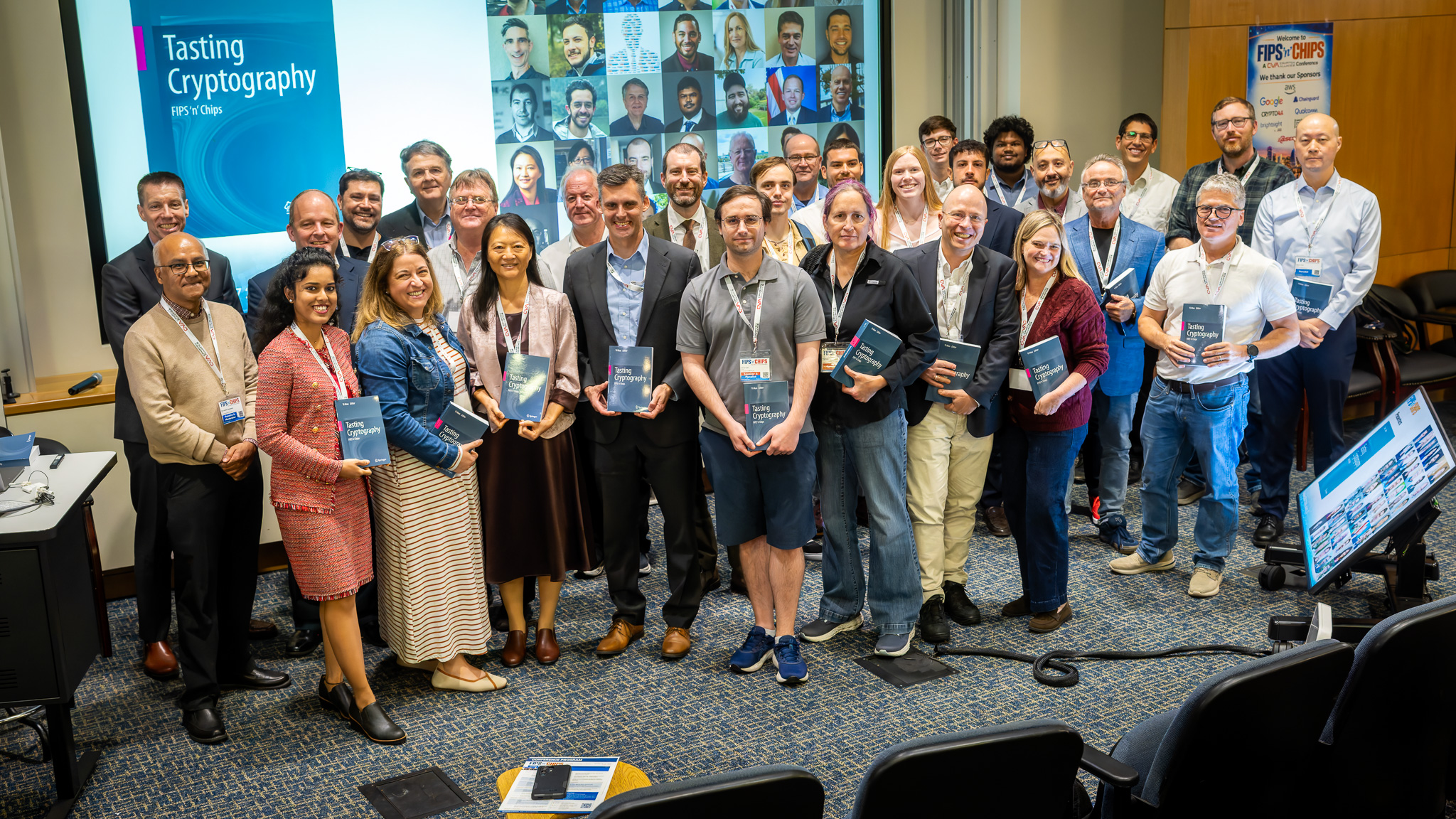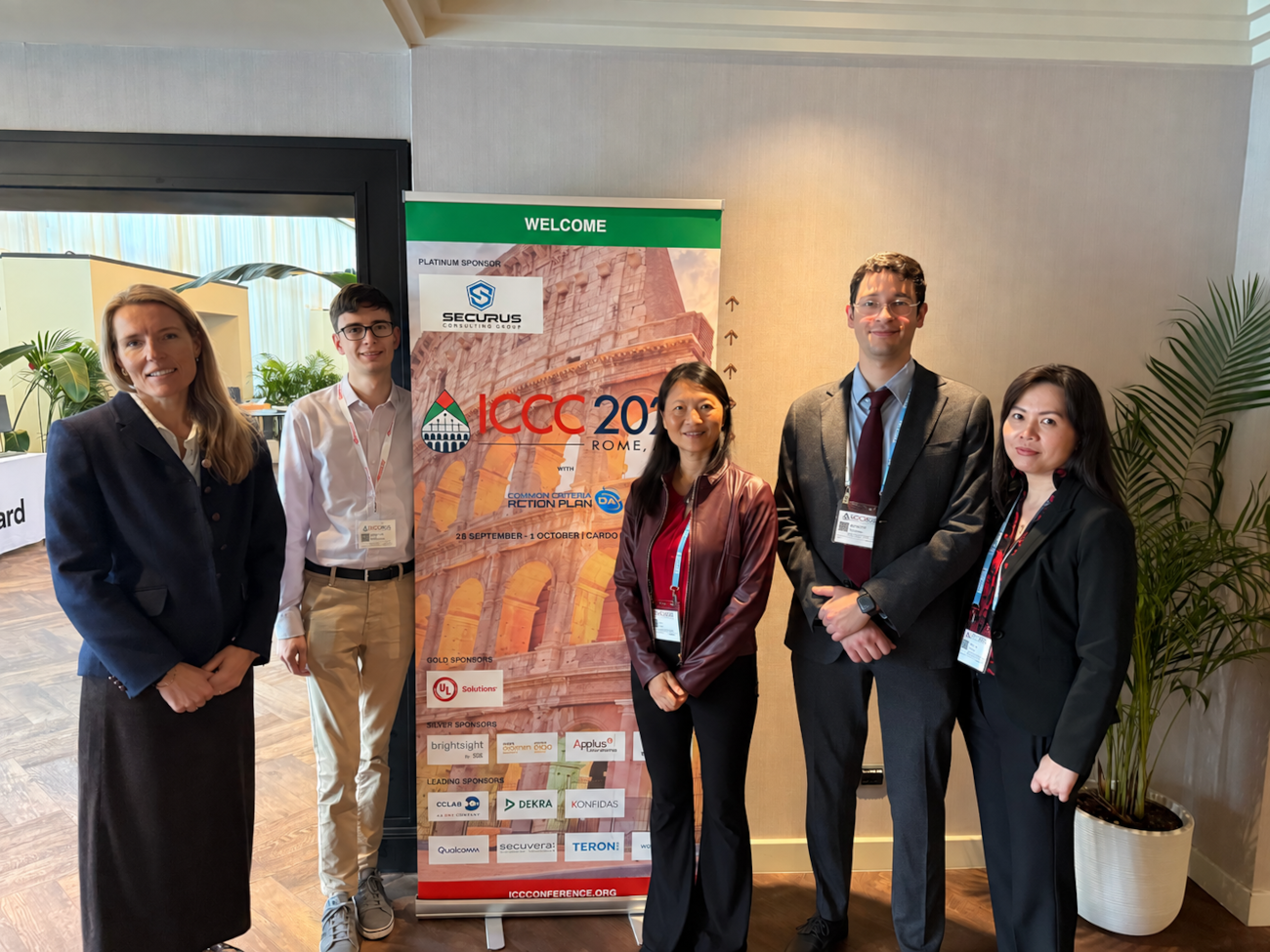

atsec helped found the Crypto-V Alliance (CVA) in 2026 with the goal of both bringing together cryptography professionals and uplifting those newer to the field; with the CVA’s inaugural FIPS ‘n’ Chips conference behind us now, we can confidently say we’ve taken a big step toward that goal.
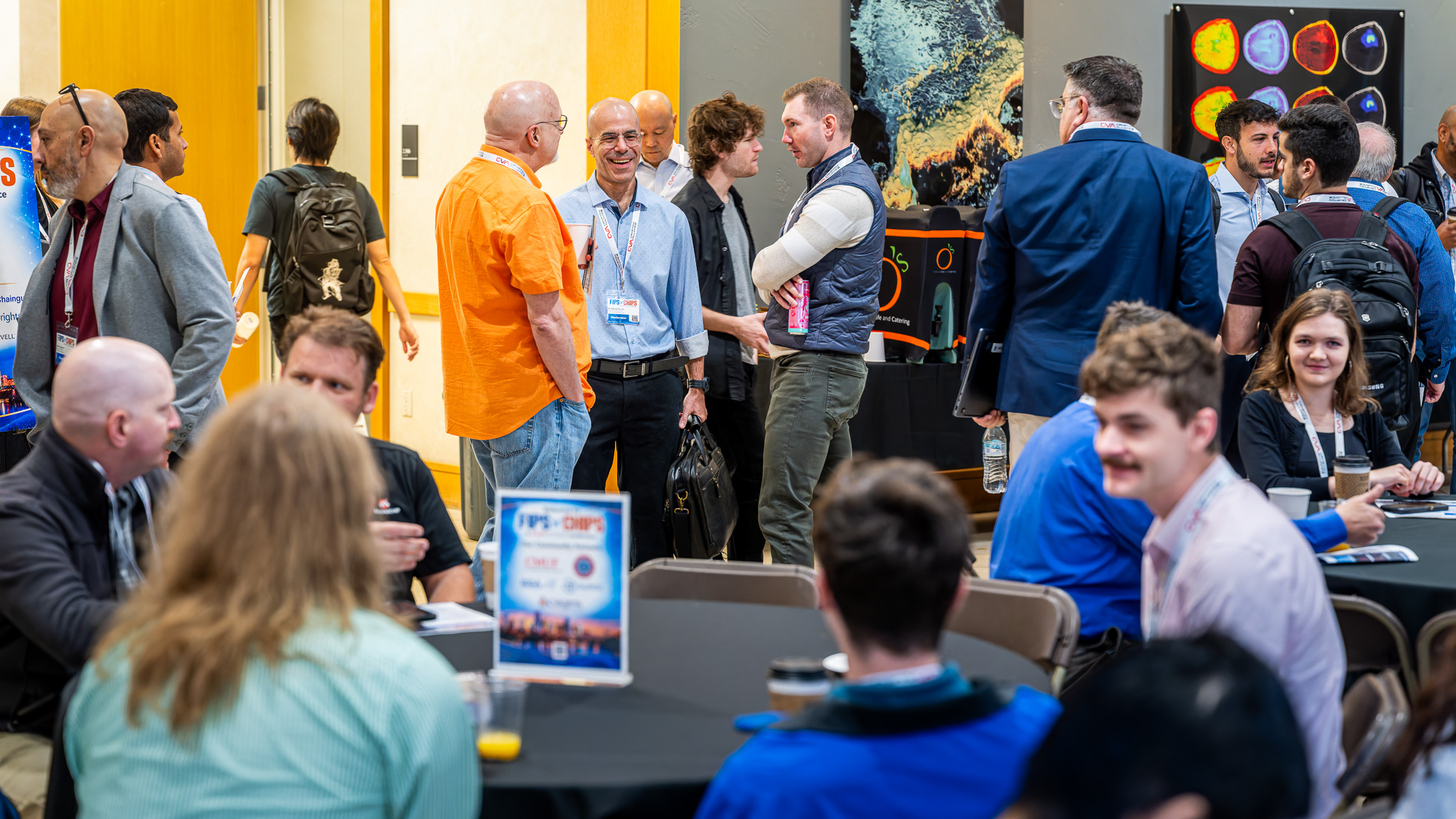
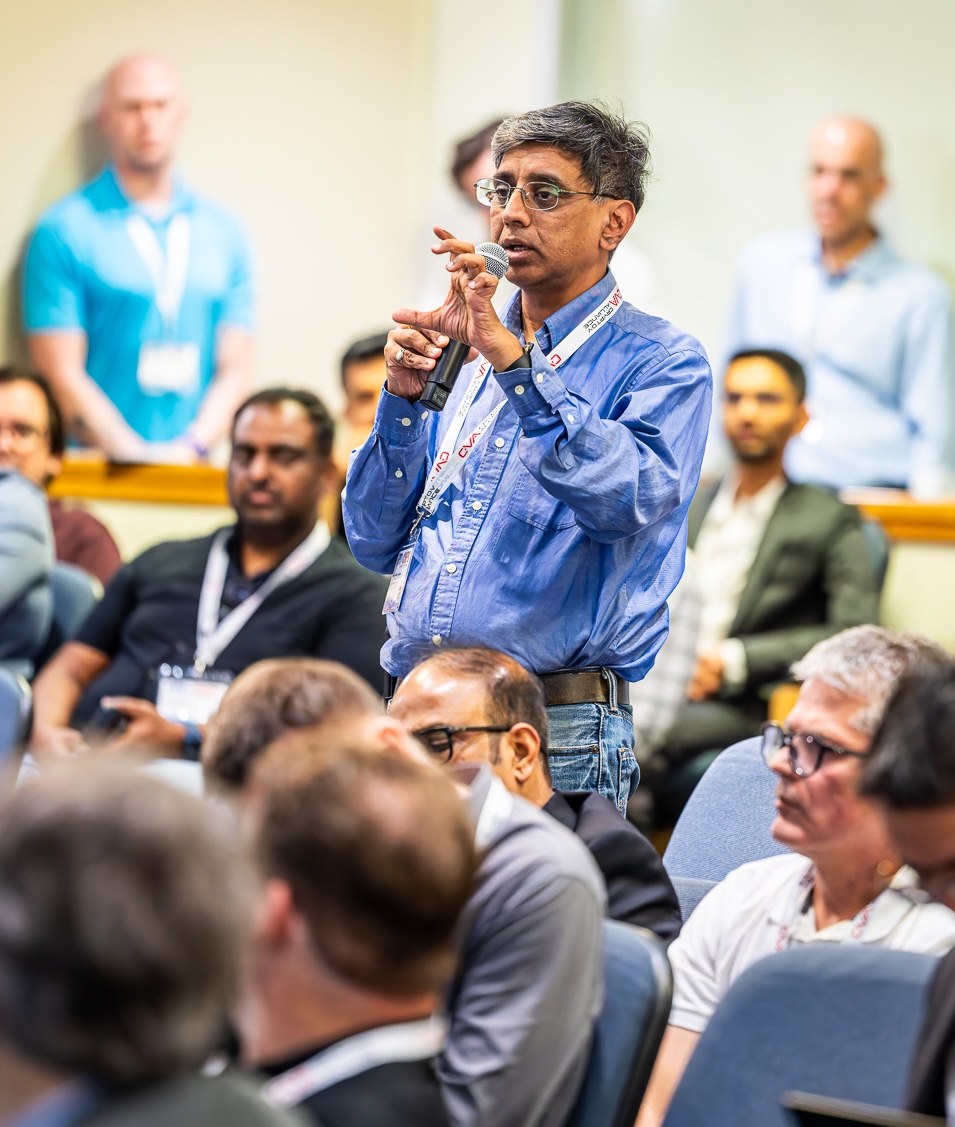
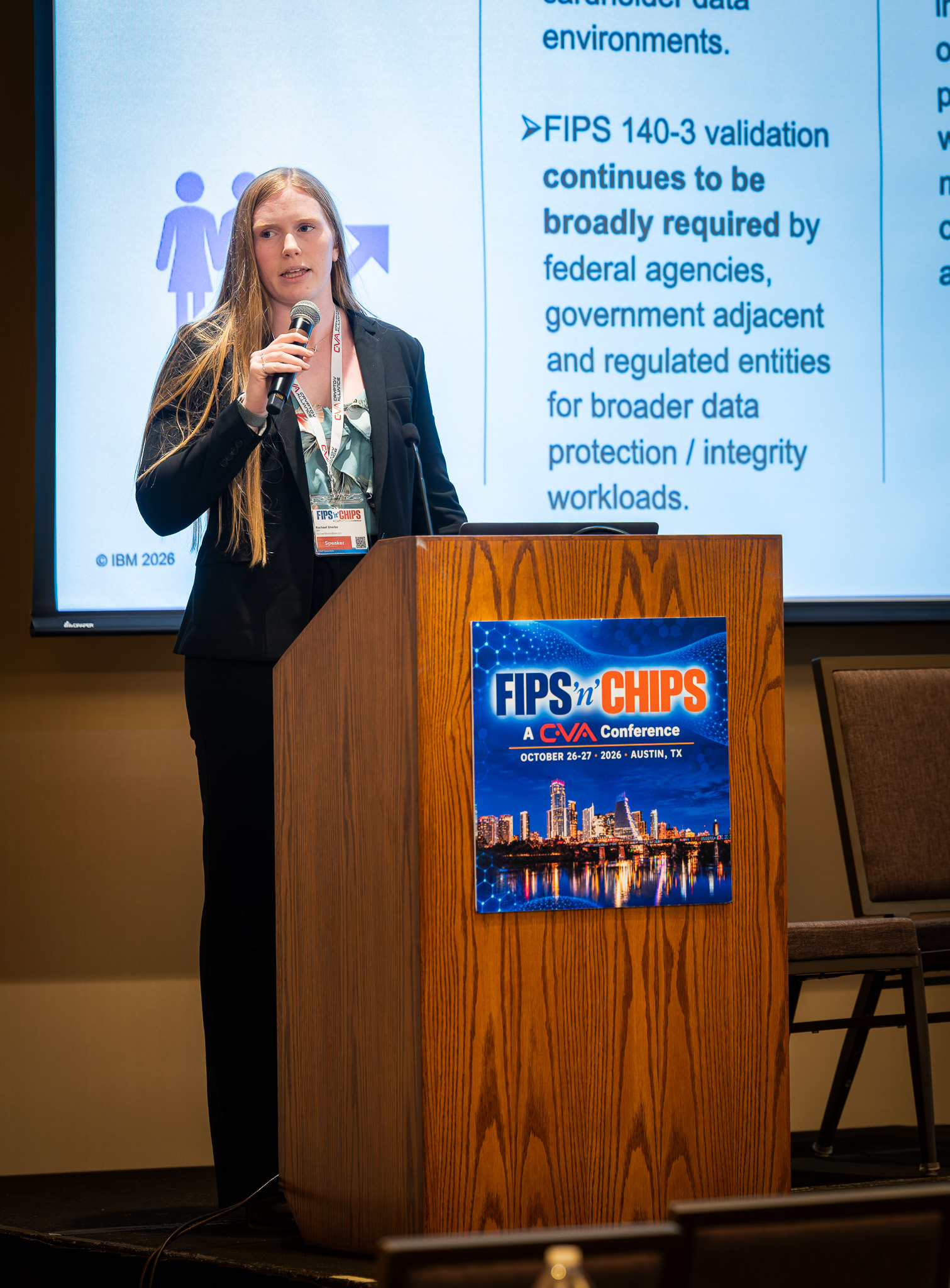
Over the two days of the conference, experts from academia, government, testing labs, and vendors took the stage to address issues both sweeping and granular: how is AI impacting cybersecurity; how can we make FIPS security levels relevant for more products; what are NIST’s priorities and goals; how do we prepare for the post-quantum era.
The presentations on these topics were just a handful of the insightful inspections into issues facing the cryptographic community today, and the CVA published a news article that goes into more detail about the conference as a whole—it’s a fantastic read. However, we think the effort to provide opportunities and knowledge to students, new cybersecurity analysts, and cryptographers unfamiliar with FIPS is an increasingly important endeavor and want to give it a spotlight today.
Accessibility as a Foundation
When planning a conference, there are multiple ways to think about “accessibility”—are your facilities easy to access? Easy to navigate? Can people with disabilities conveniently and comfortably attend? Are the presentations sufficiently low-level enough that people who aren’t experts can follow along?
When FIPS ‘n’ Chips 2026 was being planned, one of the first factors of accessibility that was targeted was the cost of attendance. As we have all likely experienced, professional conferences often charge high fees expecting the fee to be subsidized by the companies that want to send a representative, either to gain knowledge or for networking. So where does this leave students? Where does this leave individuals who want to attend but their company can’t budget the conference in? The unfortunate reality is they’re often left out.
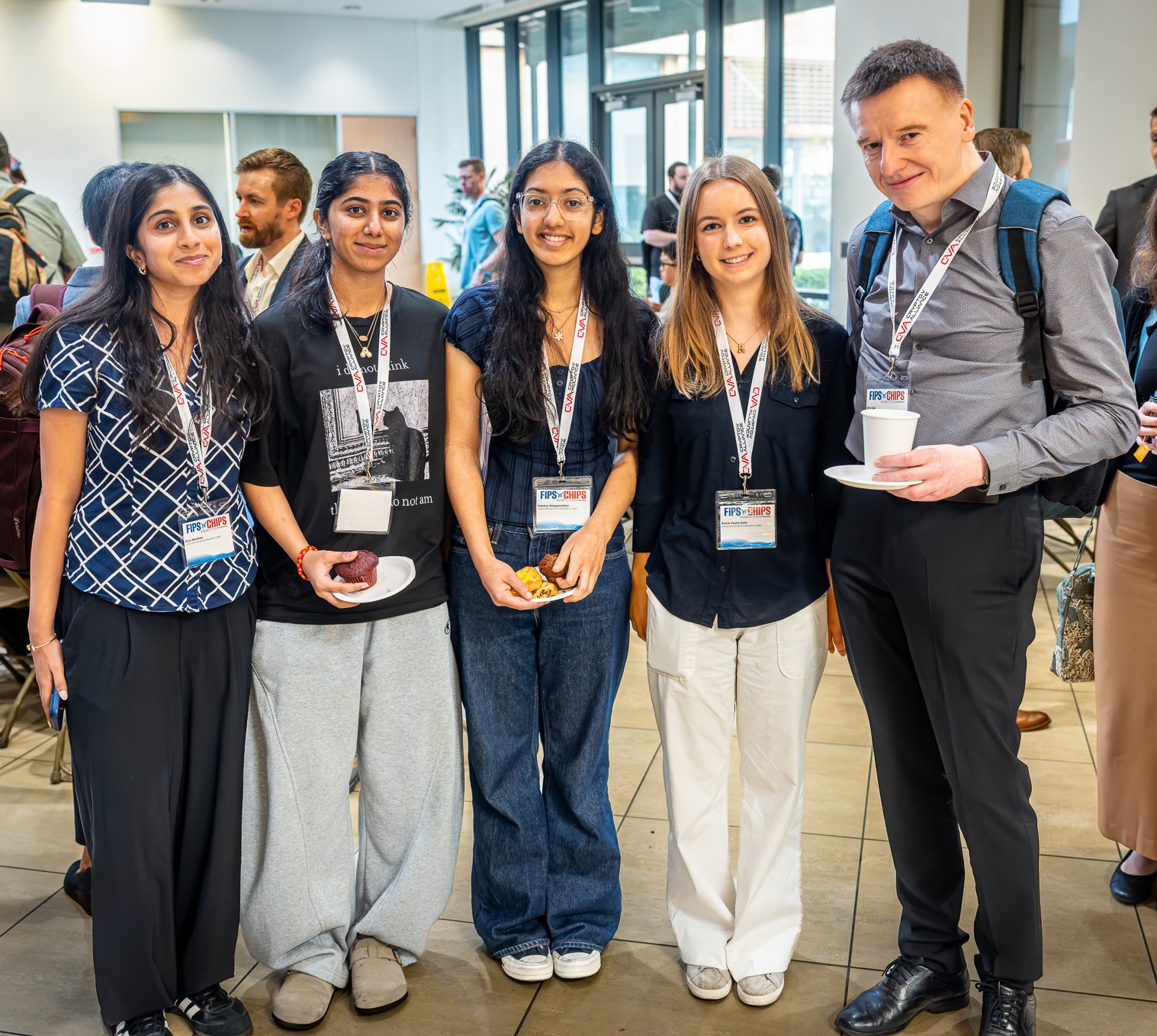
So, the CVA decided on two things: first, a general admission price of $250; second, students could attend for $40. By making the conference affordable, it ensures that everyone who wants to attend, can, and that in turn ensures the entire community is able to benefit from the discussions and presentations. It delighted us to be able to welcome a dozen students from the Liberal Arts and Science Academy (LASA), who were able to get direct experience with an advanced field that would have been inaccessible to them at average conference price points.
Beyond that, the program for the conference needed meaningful content for more than just experts, since no price point is worth it when the presentations don’t help you advance your understanding of the subject.
Balancing the complexity of the presentations was a challenge, but atsec was uniquely positioned to help remedy the situation, as we’d literally written a book about several cryptographic concepts with the same aim of being accessible. So, we put a call out to our staff and put together a half day of talks that would build a foundation of cryptographic and FIPS knowledge for students and practitioners just getting started with FIPS, which made for an amazing Beginner Training track.
The Beginner Training track began with Swapneela Unkule providing a beginner’s guide to the FIPS 140-3 validation life cycle to ground everyone in the requirements and processes that drive how cryptographers would engage with the topics later in the morning. Each talk that day needed to provide tangible takeaways, rather than theory alone, and Swapneela set the stage for that perfectly.
Alessandro Fazio, Francesco Paolo D’Erme, and Joachim Vandersmissen then provided a focused look at three different topics: message authentication codes and digital signatures, key derivation functions, and sensitive security parameters and self-tests. The talks gave tips on how the subject matter is typically used in a FIPS evaluation, letting the audience walk away with an understanding of how they can meaningfully apply the knowledge they learned.
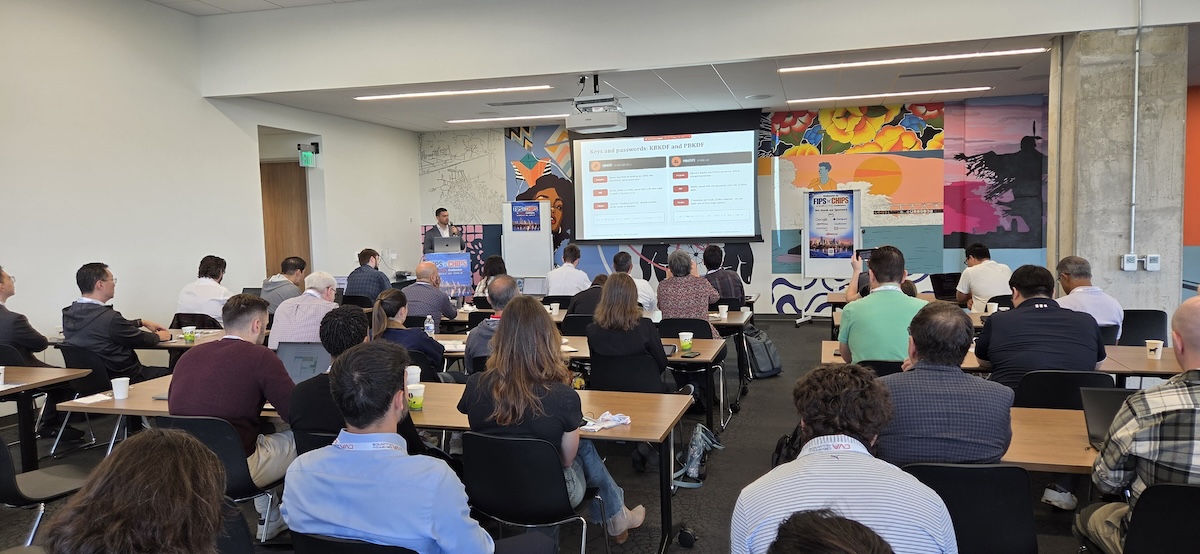
Greg Burlea and Renaudt Nuñez closed out the morning with practical advice on how to navigate aspects of a validation, with Greg demonstrating the tools atsec uses to help vendors effectively and efficiently test their modules and Renaudt offering pragmatic tips on how to approach hardware security.
After fielding follow-up questions during the sessions, it was clear the audience left with a solid grasp of the way cryptography is used in FIPS 140-3 compliant modules, which segued nicely into the second half of the Deep Dive track after lunch, where they could use that newfound knowledge to better engage with the more specific talks of the Deep Dive track.
Networking and Celebrations
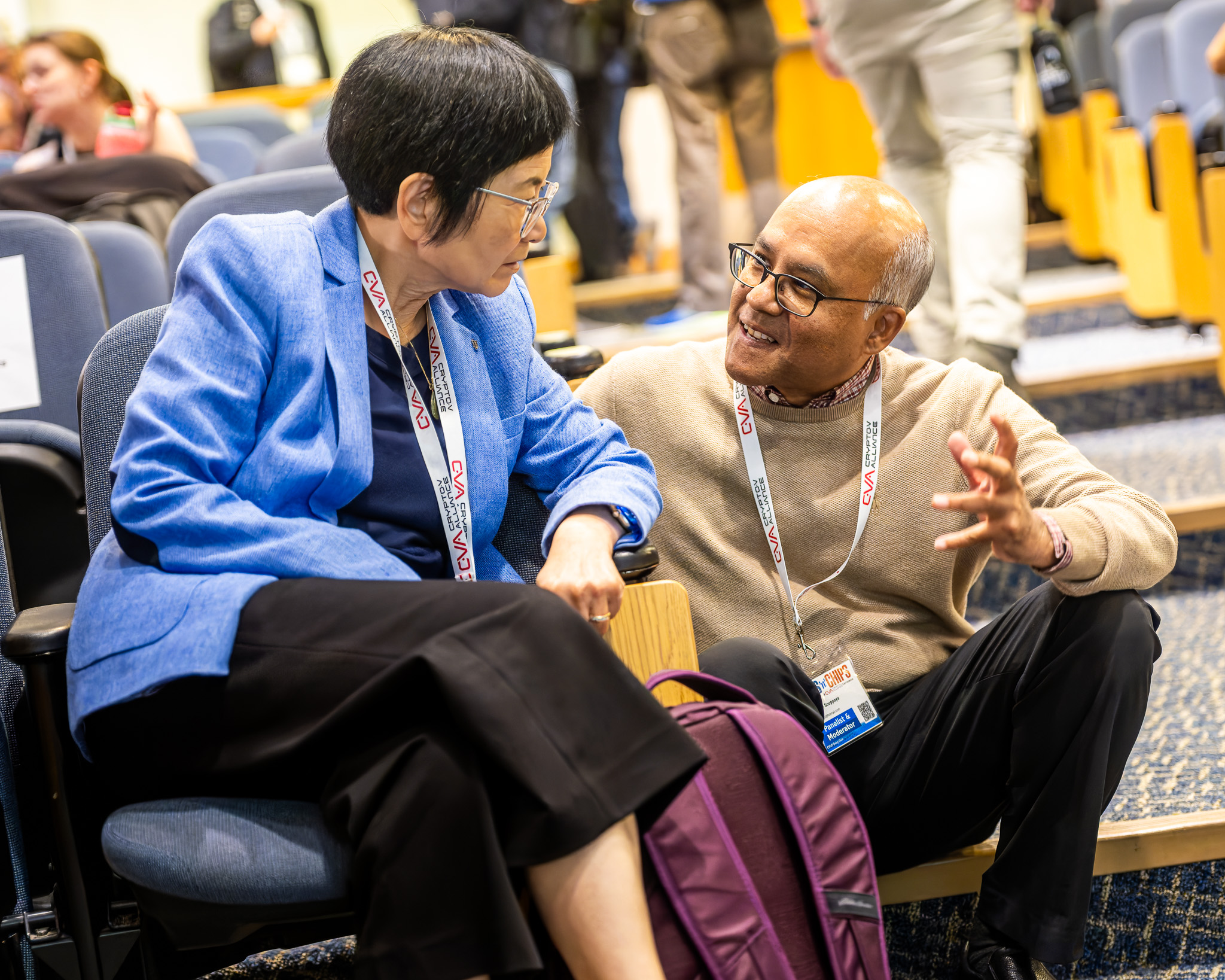
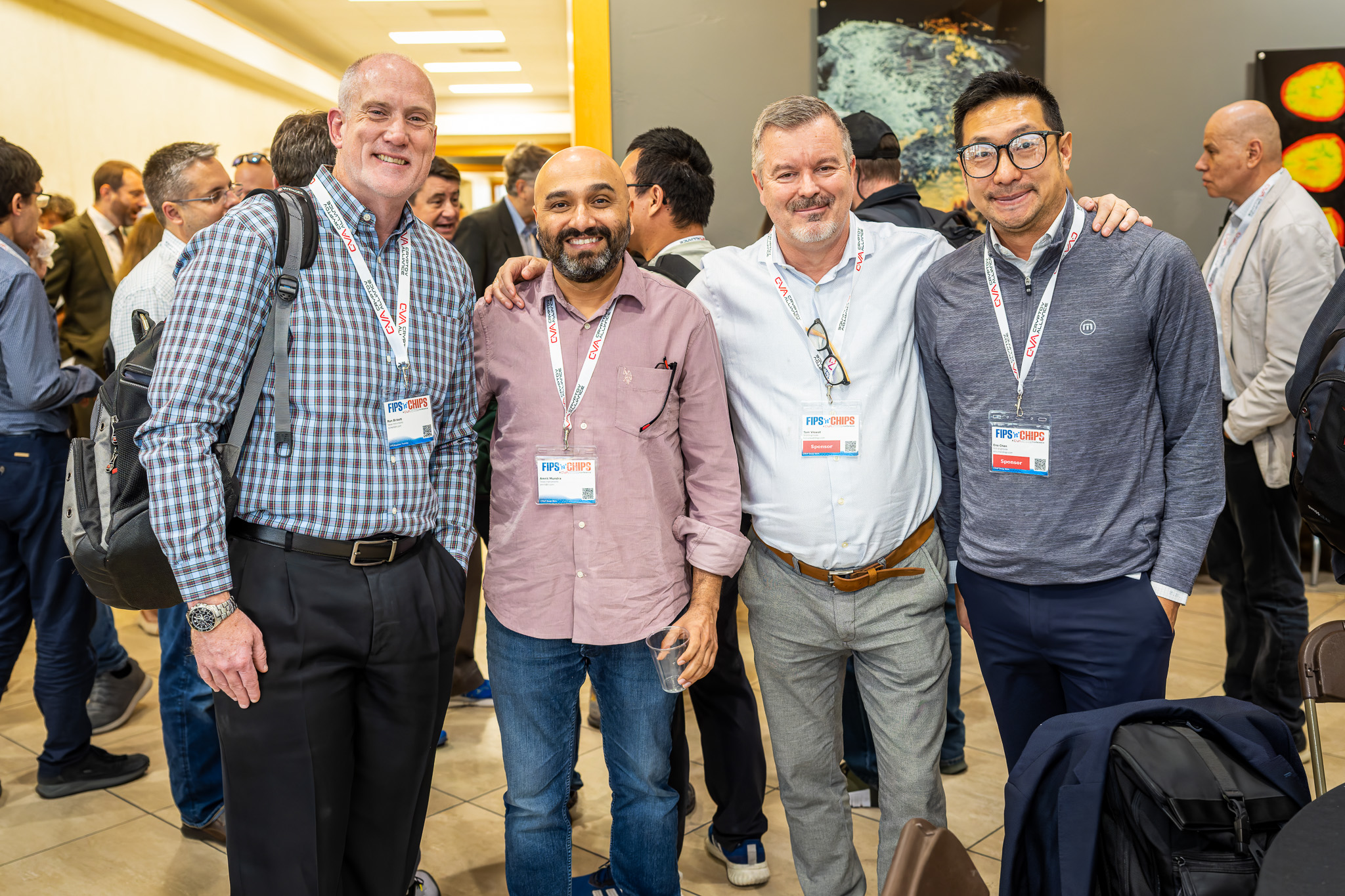
At a conference, the networking opportunities are often as important as the opportunities to gain knowledge, so providing a space for that became an important objective for the event. For FIPS ‘n’ Chips 2026, the CVA set aside an entire evening for people to enjoy good food and get to know each other in a more deliberate setting, with the time being presented as a networking dinner.
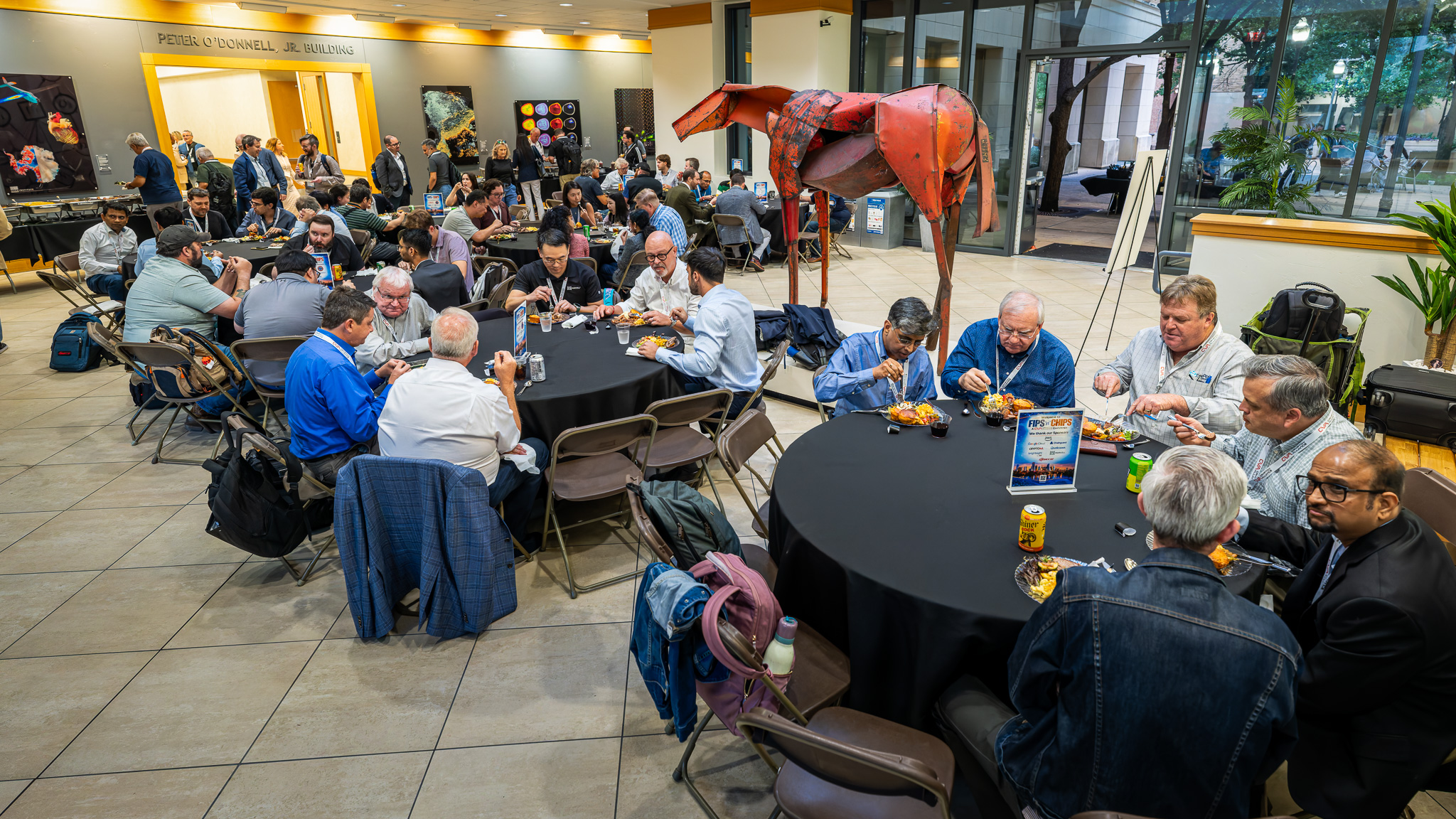
This also afforded students and cryptographers new to the field a chance to meet representatives from several prominent organizations and companies, understand the job landscape as it is, and inquire about opportunities, without the conversation feeling forced or awkward. Having set that expectation of attendees, everyone had a great time and even asked for more time to speak with colleagues at future events.
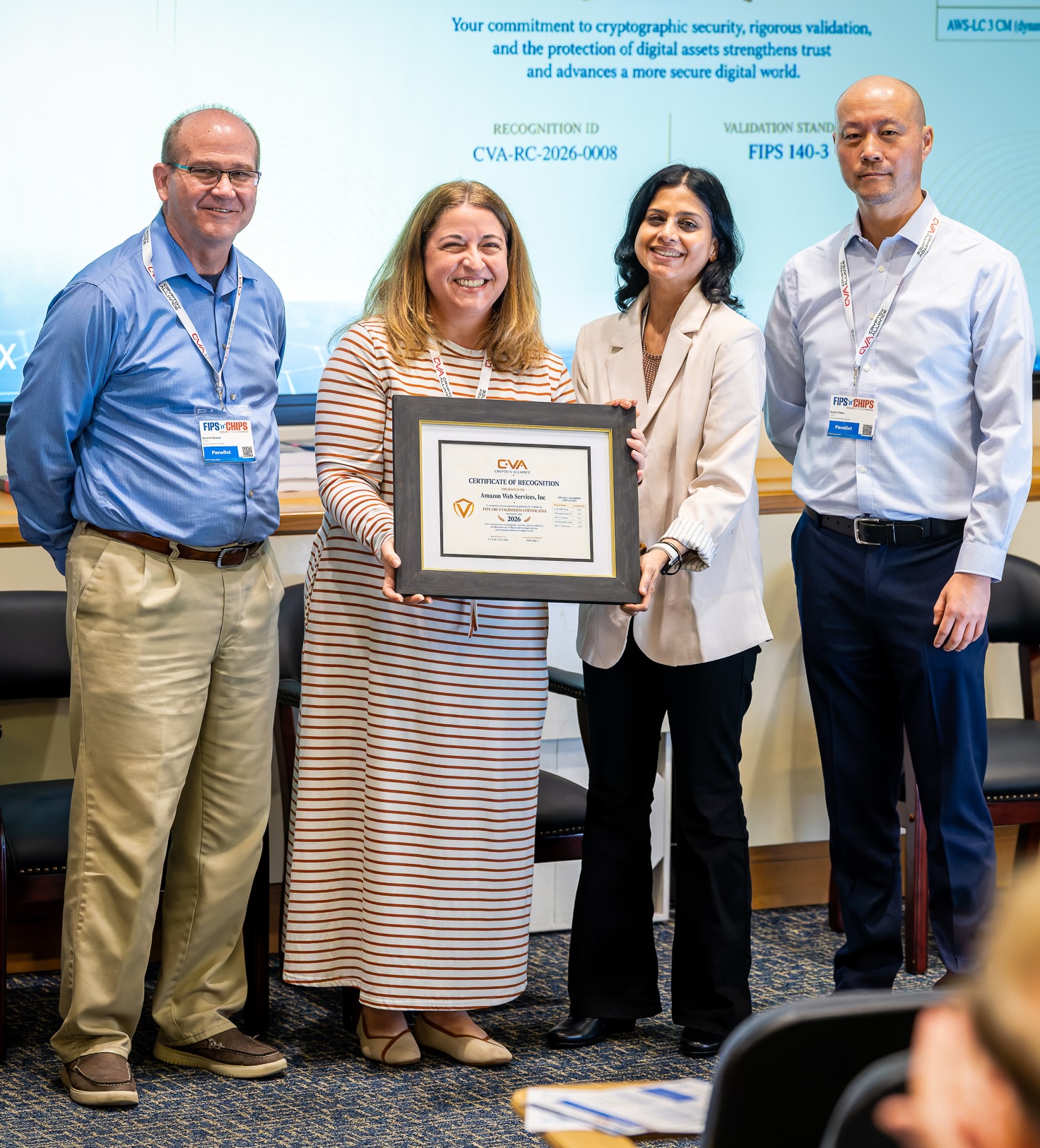
Another thing that attendees asked for more of was additional time for activities that were just fun or celebratory. This year, an awards ceremony was hosted to give the spotlight to all the people and companies who worked hard to attain Cryptographic Validation Program certification or get a module FIPS certified, and everyone enjoyed looking back on what we all achieved this year after a long day of preparing for what’s ahead. Carrying that spirit forward and expanding on it is on all our minds as future plans are considered.
Wrapping Up and Moving Forward
As the CVA thinks about what comes next, one word is constantly on our minds: community.
The human element of being in the same room as everyone else, speaking face-to-face, laughing and learning together, commiserating about challenges with colleagues, having a structured opportunity to meet with peers—this makes events like FIPS ‘n’ Chips critical.
Be you a professional or a student, we’re sure you’re well accustomed to sending a flurry of communications digitally each day, whether those are emails, texts, Slack messages, or conference calls, and these do connect us, but they fail to capture the connections between us meaningfully.
atsec sees those connections as a critical component, which is why accessibility, networking, and celebrations are things we want to be central to events we participate in down the road.
And with FIPS ‘n’ Chips being a resounding success, we’re excited that other people feel the same.